Document Support Is Out of Beta. Here's What It Means Across the Life of a Case
June 2026
·
4 min read
A probable cause hearing is tomorrow. You got discovery last night.
You're scanning a police report, a Gerstein affidavit, body-worn footage, and a stack of PDFs, all at once. The question you're trying to answer as fast as possible: what exactly happened, and where does the officer's story start to crack? Defense investigation, discovery review, trial prep, each stage adds more material than you have time to review and more questions than you have time to answer.
Reduct already held your video and audio. Now it holds everything else.
Document support is out of beta and available to all Enterprise users at no additional cost through the end of 2026. Here's how it fits into the work you're already doing.
Probable cause hearing: the night before
With discovery landing late, the goal is to get up to speed fast, understand what the officer is claiming happened, and prepare questions for the morning.
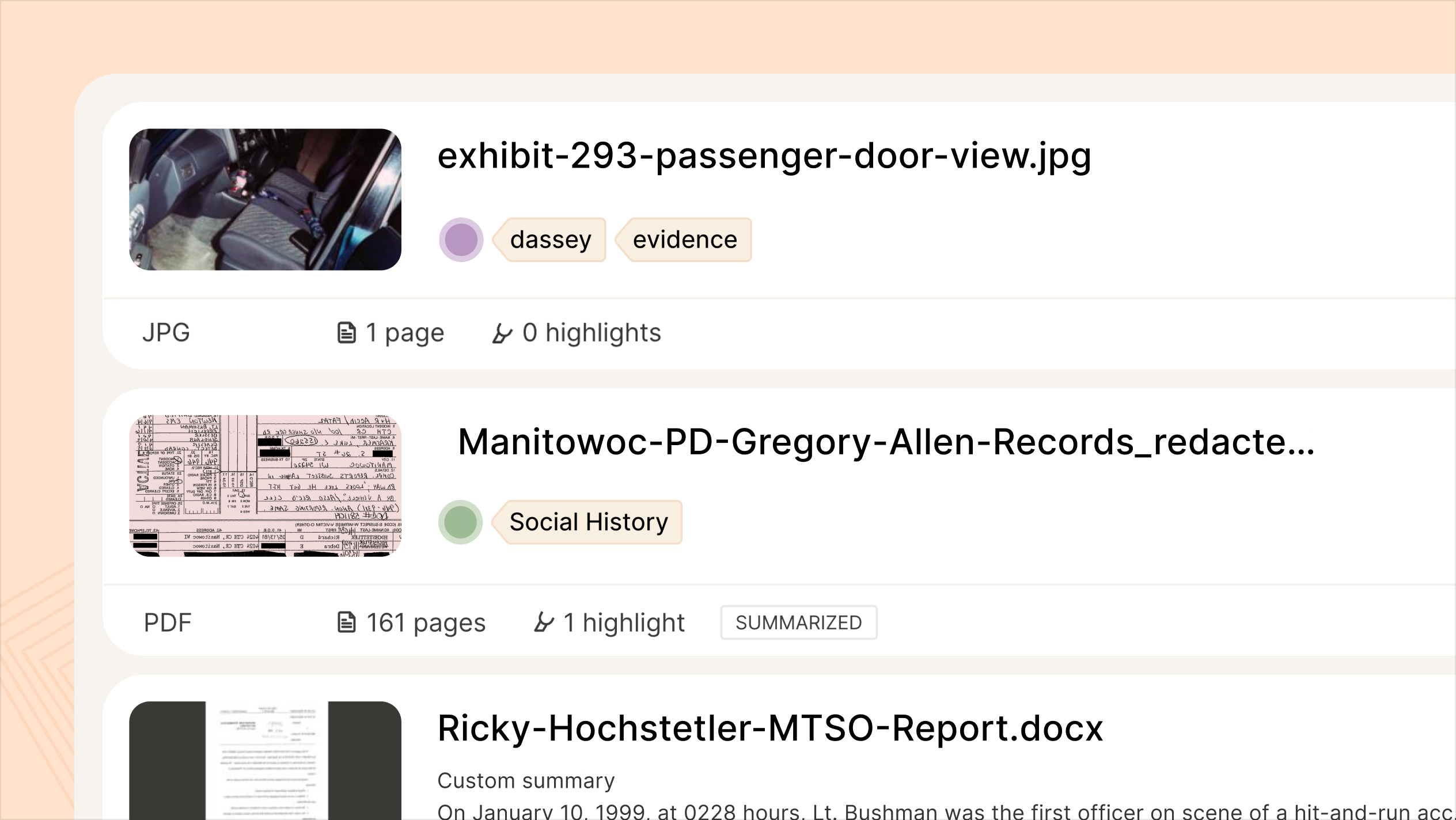
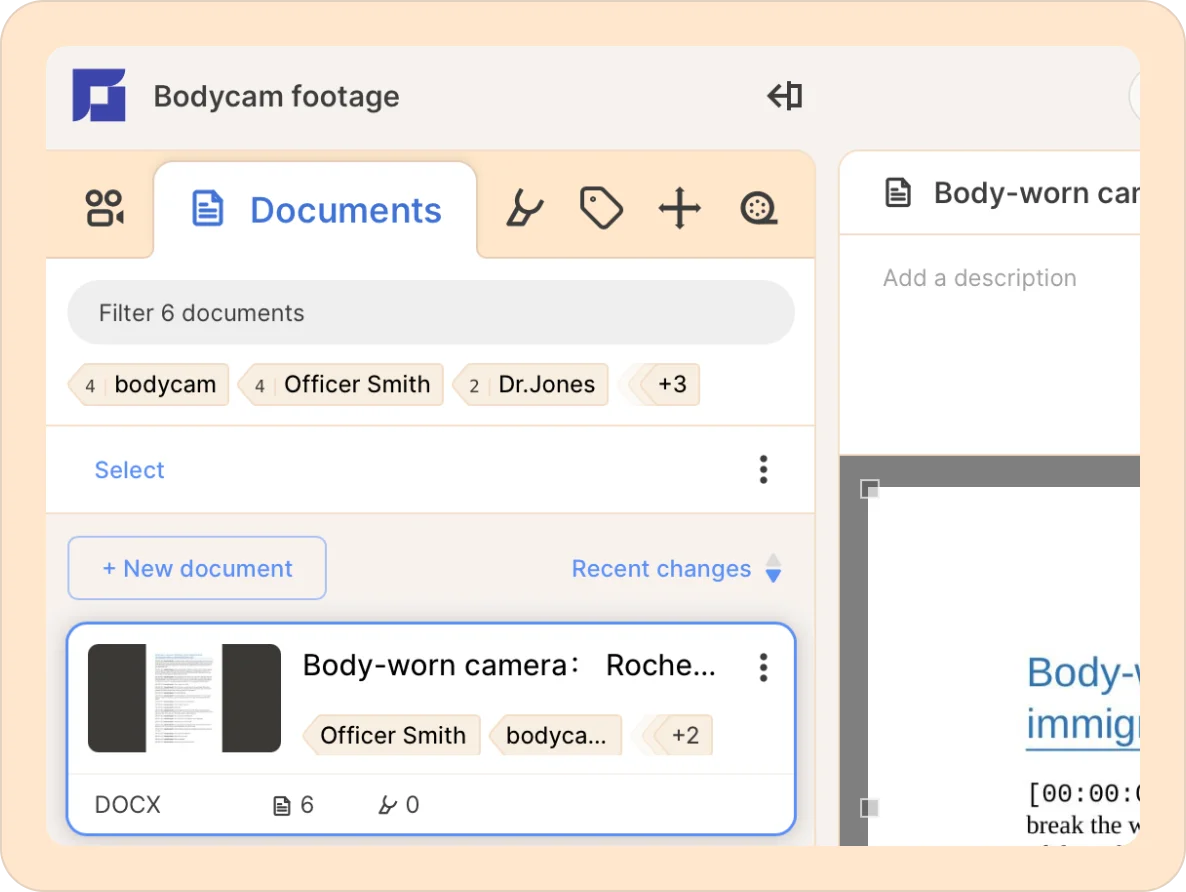
You can drag the body camera footage and the police report into Reduct at the same time. The video transcribes automatically, the PDF uploads alongside it, and you can run a batch summary on all your files to get key events organized by topic, each with a page reference. A keyword search across both files can surface whether the officer's written account and their recorded account line up. Discrepancies you find now become your cross material later.
Both files live in the same project, so you don't have to switch between a video player and a document reader.
Defense investigation: figuring out what you still need
Before you can tell your investigator what to collect, you need to know what you already have.
You can pull up the body camera footage and work through it, adding comments at moments where a storefront camera or a residential Ring device is visible in the frame. Your investigator sees those flagged moments and knows exactly where to go. The footage itself is your map.
When the investigator records a witness interview, the audio can go straight into Reduct and become a searchable, interactive transcript within minutes. If the witness does not speak fluent English, the translation feature handles it. You can get the substance of the conversation without waiting weeks for an in-house translator to produce a document that is not even synchronized with the recording.
Discovery review: making sense of the pile
This is where volume becomes the problem. You have body camera footage from five officers, a 911 call, a police report, witness statements, and possibly a lab report, all arriving at different times and in different formats.
The timeline view
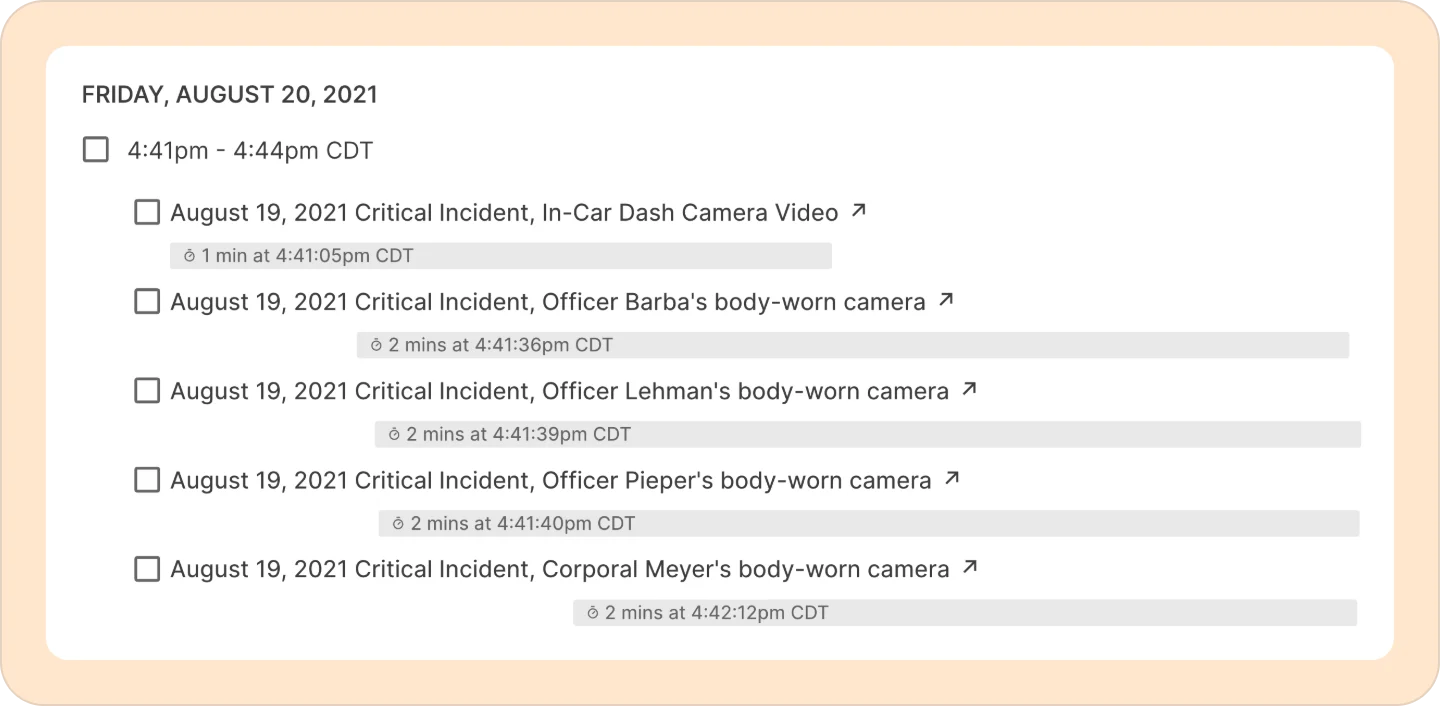
The timeline view shows you which body camera covers the most ground, so you know where to start. The multi-cam view lets you watch all the footage at once instead of five videos back to back. You no longer have to spend three hours figuring out which clip to prioritize. You can scan through the whole incident in thirty focused minutes.
Ask direct questions to your file
The documents sit in the same project. The police report, the lab report, the witness statement PDFs are all searchable from the same bar you use for video transcripts. You can also ask your documents and recordings direct questions. Instead of scrubbing through an hour of body-worn looking for the moment the officer describes the stop, you ask it. Reduct pulls the answer straight from the file.
This is also where you can do cross-material consistency checks at scale. You can verify whether what the officer said on body-worn matches what they wrote in the report and what they told the grand jury or arresting supervisor. That comparison used to mean bouncing between files and relying on memory, but now it's a search.
Label and color-code all your files
Labels and color-coded highlights work across both file types. A section of the police report and a moment in the body camera footage can carry the same label. When you're building your theory of the case, that structure helps you see the connections before you've even finished reviewing.
Trial prep: the last two weeks
You're prepping cross for every officer you have body camera footage for. That means finding the inconsistencies you labeled during discovery and turning them into something you can use in court.
Reduct lets you download clips and build reels directly from your footage, the exact moments you plan to use for impeachment.
Documents work the same way. The exact sections you flagged in the police report are already annotated and under a single page. You can pull the exact section, cross-reference it with the body-worn moment it contradicts, download all of it and prepare to use it for court.
Comments double as a live task list. "Has this person been subpoenaed?" "Can you confirm the sign is still there?" Everyone on the case sees the same notes attached to the same moments, without a separate call.
Sentencing and beyond
Mitigation work is about telling a story. Reels built from video, clips pulled from interviews, documents organized by theme. You can bring it all into one place and share what matters to the right people at the right time.
That has always been true for video and audio in Reduct. Now it is true for everything else too.

We've been working on Document support for a while, and we're glad it's out. If you're an Enterprise customer, it's already in your workspace. If you don't have access yet, reach out to support@reduct.video and we'll get it set up for you.
We're continuing to improve what you can do with documents in Reduct. If you have feedback or ideas, please reach out to us.
TALK TO A PUBLIC DEFENDER
We're on your team
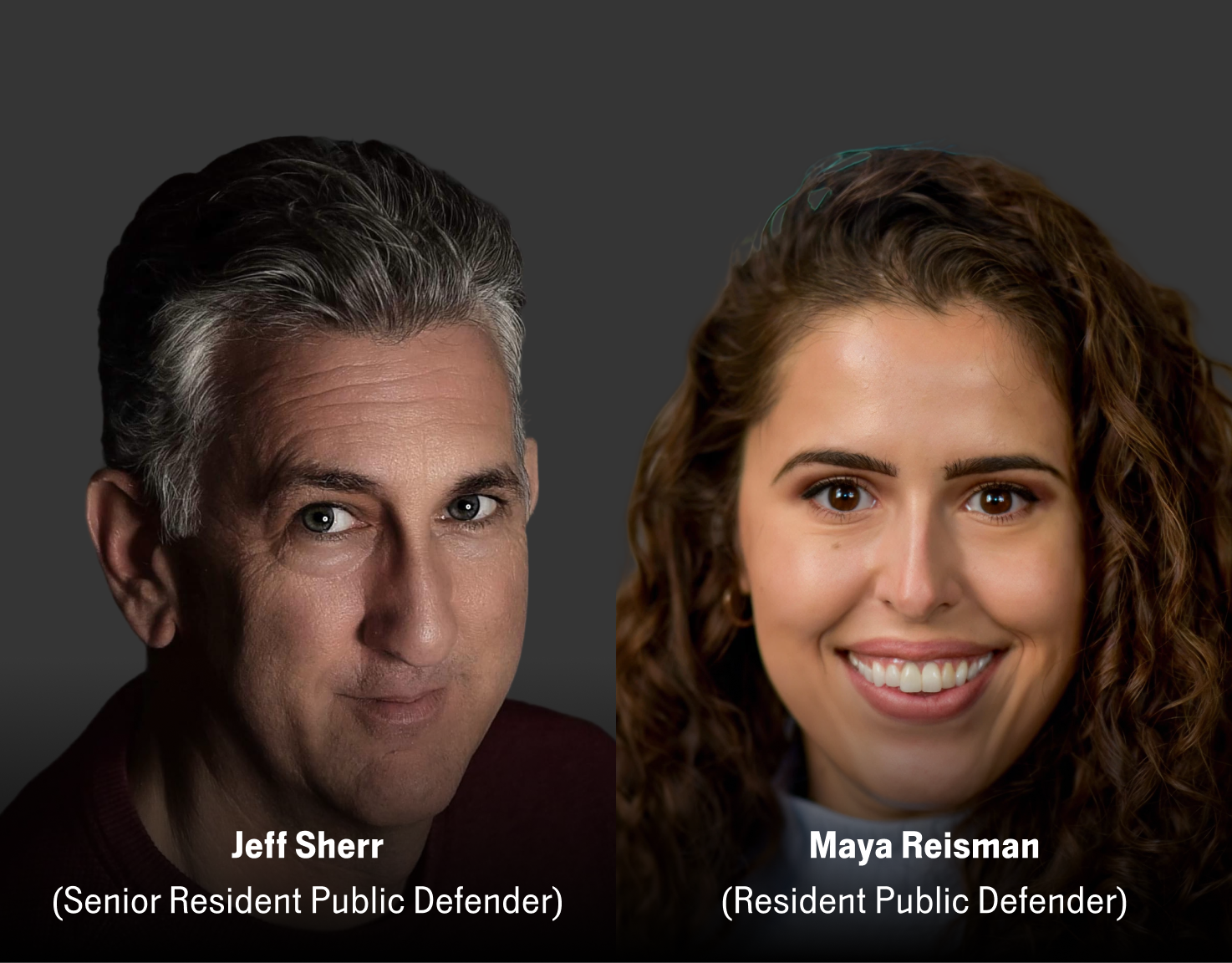
We believe the people building tools for defenders should understand what it actually takes to be one. So we have former public defenders helping us build the product. Have a question about whether Reduct fits your office? We’d love to talk to you.